Moonstone Arts Center– “Go Back Where You Came From”
My poem “𝐀 𝐒𝐲𝐦𝐩𝐡𝐨𝐧𝐲 𝐨𝐟 𝐒𝐨𝐮𝐧𝐝 𝐚𝐧𝐝 𝐒𝐢𝐥𝐞𝐧𝐭 𝐅𝐞𝐚𝐫, 𝐚 𝐓𝐫𝐮𝐦𝐩 𝐑𝐚𝐥𝐥𝐲 ” was accepted and will be published in the anthology Book at Moonstone Arts Center on June 29th, 2025.
Excerpts from the poem:
“In the chaotic symphony of a rally, hearts beat like drums, seeking harmony in a dissonant world where ‘go back’ echoes louder than democracy’s song.”
-End Quote –
“A king decrees,” he declared with a theatrical flair
“A Dictator, on day one”, the words lingered, amplified
A jest, a promise, a threat?
A heavy strain, a potential for darkness
The weight of command
Formed a symphonic crescendo
A voice echoed from the stage
..Electrifying the crowd
A mirror reflecting their inner music
A “Proud Trump Supporter” stood front and center
“We need strength, a hand of iron, a strong leader.”
A justification for composing new music
A new sonata, a scherzo
“Go back where you came from.”
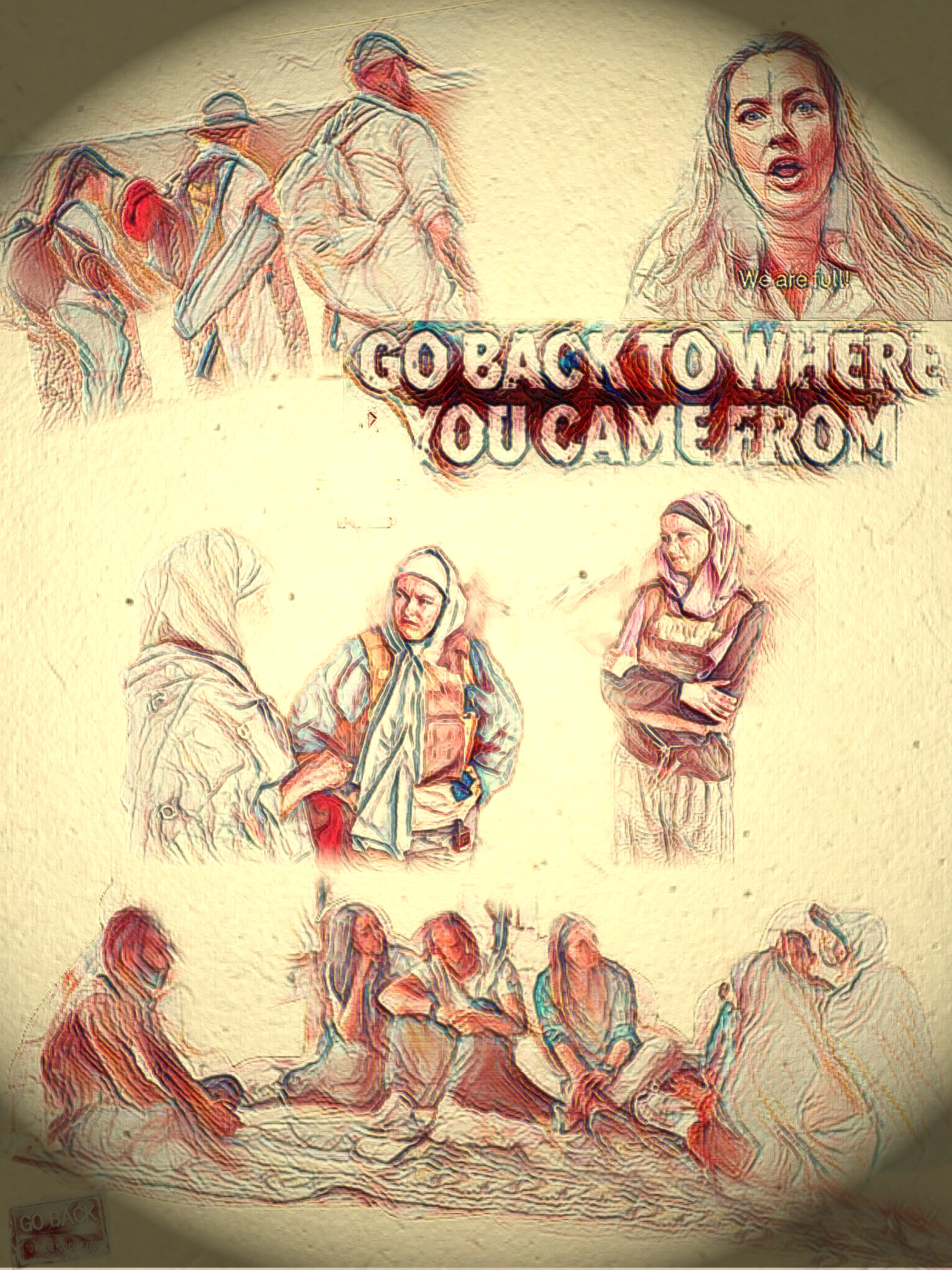
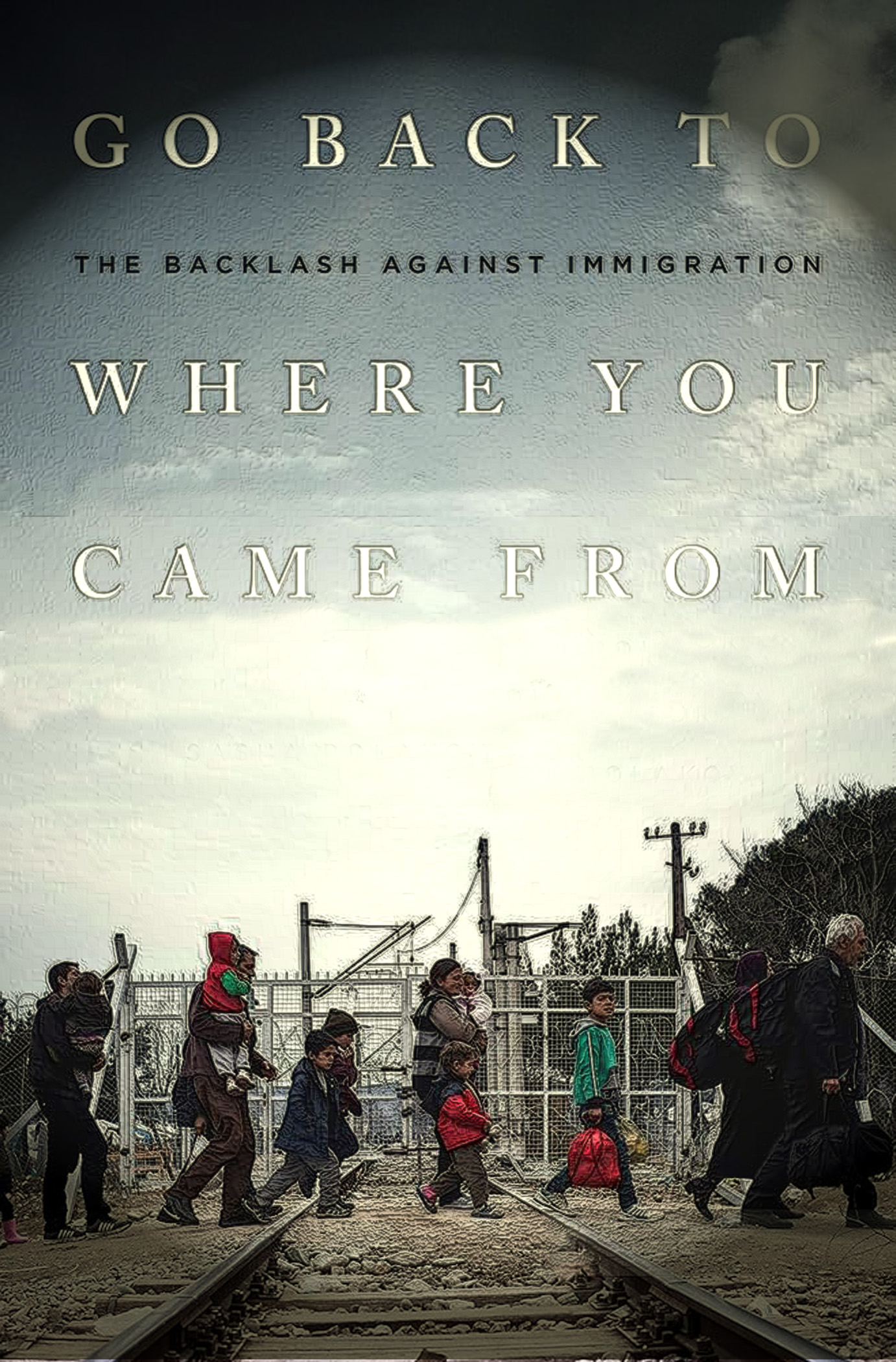
“Go Back Where You Came From” Submission Based on This Famous Quote.
The Quote
First they came for the socialists, and I did not speak out—because I was not a socialist.
Then they came for the trade unionists, and I did not speak out—because I was not a trade unionist.
Then they came for the Jews, and I did not speak out—because I was not a Jew.
Then they came for me—and there was no one left to speak for me.
–Martin Niemöller–
This quote is attributed to the prominent German pastor Martin Niemöller. It is sometimes mistakenly referred to as a poem. After World War II, Niemöller openly spoke about his own early complicity in Nazism and his eventual change of heart. His powerful words about guilt and responsibility still resonate today. reflect my personal feelings and emotions regarding
A Symphony of Sound and Silent Fear, a Trump Rally
Commentary
The poem begins and ends with a personal quote from the author, which highlights the theme and metaphors of the poem. As a classical pianist, I strive to incorporate musical terms into my poems, highlighting music as a reflection of human emotions and experiences. This poem reflects my personal feelings and emotions regarding Trump and his rallies, as well as the conversations I have had with my family and friends. It is a deeply personal piece that I hope will resonate with you. The poem explores the tension between democracy and authoritarianism in contemporary American society, particularly through the lens of political rallies and the rhetoric employed by leaders, notably Donald Trump. It highlights the fear, division, and dehumanization present in political discourse, particularly regarding immigration and national identity. The poem revolves around a political rally, depicting the atmosphere of anticipation and chaos as supporters gather. The poem explores the emotions and sentiments expressed by the crowd and individuals, revealing a complex interplay of pride, fear,
and hostility towards marginalized groups, while also analyzing the use of music and language as tools for manipulation and division.